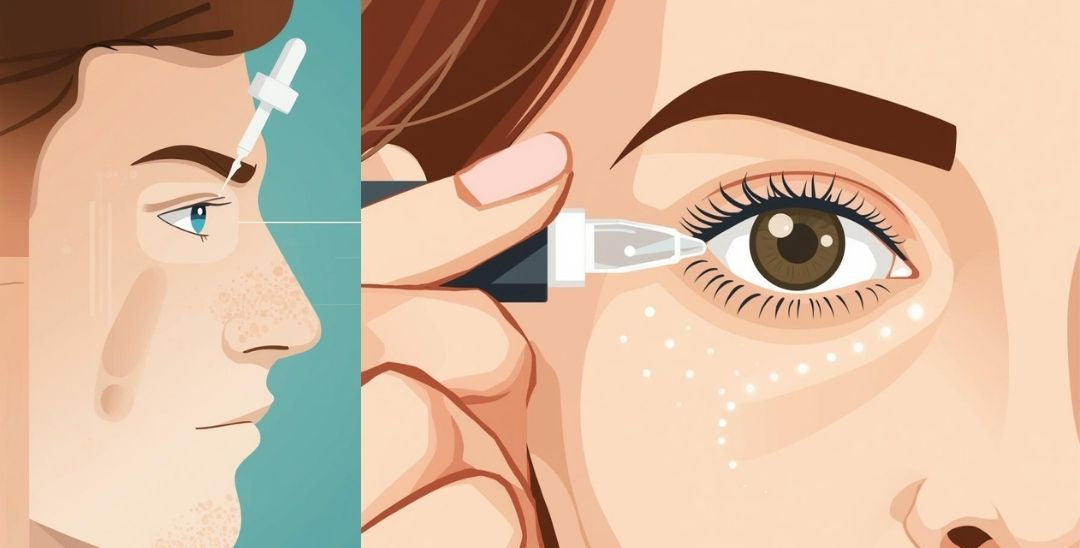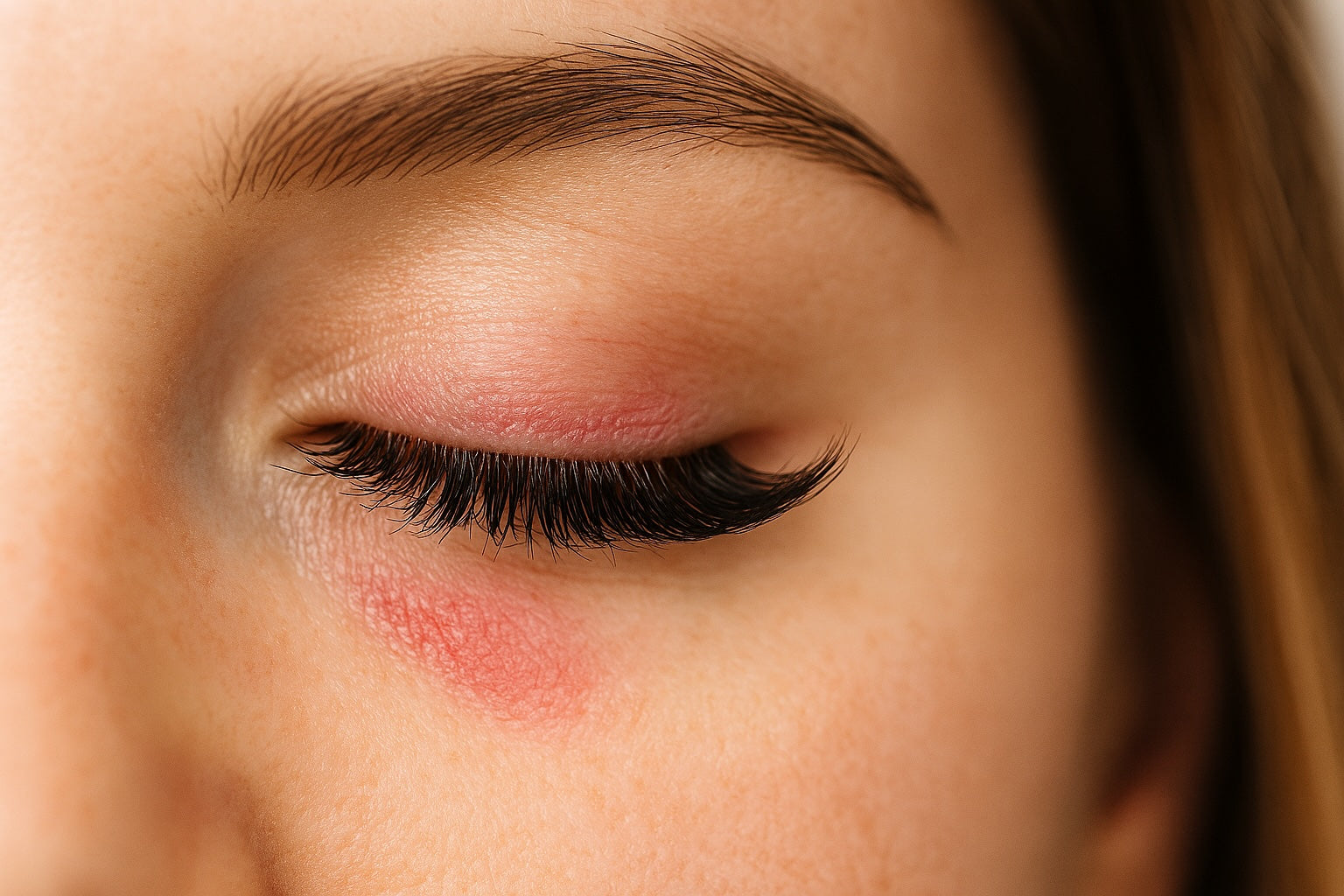

Dry eye disease is a common chronic eye condition that is frequently misunderstood eye condition. Misinformation can delay diagnosis, lead to ineffective dry eye treatment, and leave symptoms unmanaged. To support better long-term eye health, it’s important to separate fact from fiction.
Below, we debunk some of the most common myths about dry eye disease and explain what you really need to know about modern dry eye care.
Myth #1: Dry Eye Only Happens to Older Adults
The truth:
While dry eye disease becomes more prevalent with age, it can affect people of any age group, including children and younger adults. In fact, younger individuals may experience dry eye due to:
-
Prolonged screen time
-
Contact lens wear
-
Environmental factors (dry air, wind, air conditioning)
-
Certain medications or health conditions
Dry eye is increasingly diagnosed in younger populations due to modern digital lifestyle demands and increased screen time (1).
Myth #2: If Your Eyes Water, You Don’t Have Dry Eye
The truth:
Excessive tearing (epiphora) can actually be a classic sign of dry eye.
When the eyes become too dry, your body tries to compensate and produces reflex tears in response to irritation (2). These tears lack the proper oil and mucus components needed to keep the eye's surface healthy, so symptoms persist despite watering. In fact, watering can actually dilute those critical oils even further - worsening the problem (this is why many practitioners quote dry eye as being a "vicious cycle)."
There are some other causes of epiphora, but if your eyes water frequently (both eyes, not just one), it may be due to chronic dry eye disease.
Myth #3: Lubricating Drops Cure Dry Eye
The truth:
Artificial tears help relieve symptoms, but they do not cure dry eye disease.
Dry eye is a chronic, multifactorial eye condition. While lubricating drops are often part of treatment, many people require additional therapies to address underlying causes such as ocular surface inflammation, tear film instability or meibomian gland dysfunction (3).
Myth #4: Dry Eye is Just a Minor Irritation
The truth:
Untreated dry eye can significantly affect quality of vision, ocular comfort, and overall quality of life (4). For some patients, the condition can be severe enough to inhibit even normal day to day activities like reading, working on a computer or driving.
Chronic dry eye can lead to:
-
Fluctuating, hazy or blurry vision
-
Increased light sensitivity and discomfort
-
Eye fatigue
-
Damage to the ocular surface
Early diagnosis and ongoing management are key to preventing long-term complications.
Myth #5: Screen Use Causes Dry Eye
The truth:
Screen use is a contributing factor, but it is not a sole cause of dry eye disease. Many people with dry eye experience symptoms even with limited or no screen time. Prolonged screen use can exacerbate dry eye by decreasing blink frequency and affecting blink quality, which reduces tear film stability (5).
Dry eye symptoms can also be influenced by:
-
Hormonal changes (see our previous blog post on hormones and dry eye)
-
Autoimmune conditions
-
Certain medications (antihistamines, antidepressants, blood pressure medications)
-
Environmental factors
- Age
Myth #6: There’s Nothing You Can Do About Dry Eye
The truth:
Dry eye is highly manageable with the right care plan.
Modern dry eye treatments may include:
-
Lubricating eye drops
-
Prescription eye drops
-
Warm compresses
-
Lid hygiene routines
-
Nutritional support
-
In-office treatments performed by an optometrist or ocular hygienist
A personalized approach based on a comprehensive eye exam leads to the best outcomes.
When to See an Eye Care Professional
If dry eye symptoms are persistent, worsening, or interfering with daily activities like reading or driving, it’s important to see your optometrist or eye care practitioner. An eye care provider can identify if dry eye disease is present, rule out other conditions and recommend targeted treatments to protect your long-term vision and eye health.
Conclusion
Dry eye disease is common, complex, and often misunderstood. By debunking common myths and focusing on evidence-based dry eye care, patients can take proactive steps toward healthier, more comfortable vision.
References:
- Stapleton, F., Velez, F. G., Lau, C., & Wolffsohn, J. S. (2024). Dry eye disease in the young: A narrative review. The ocular surface, 31, 11-20.
- Lee, J. M., & Baek, J. S. (2021). Etiology of epiphora. Korean Journal of Ophthalmology: KJO, 35(5), 349.
- Sheppard, J. D., & Nichols, K. K. (2023). Dry eye disease associated with meibomian gland dysfunction: focus on tear film characteristics and the therapeutic landscape. Ophthalmology and therapy, 12(3), 1397-1418.
- Uchino, M., & Schaumberg, D. A. (2013). Dry eye disease: impact on quality of life and vision. Current ophthalmology reports, 1(2), 51-57.
- Al-Mohtaseb, Z., Schachter, S., Shen Lee, B., Garlich, J., & Trattler, W. (2021). The relationship between dry eye disease and digital screen use. Clinical Ophthalmology, 3811-3820.
Contributors:

Sarah Farrag, OD
Dr. Sarah Farrag is originally from Halifax, Nova Scotia, and is happy to be practicing optometry in her hometown. She graduated with honors from the University of Waterloo Doctor of Optometry program in June 2015. In addition to routine optometric care, Dr. Farrag also facilitates an advanced dry eye clinic offering specialty consultation and treatment for severe dry eye.