
Dry eye disease is one of the most common ocular health conditions worldwide, affecting millions of people each year. While anyone can experience dry, irritated eyes, research consistently shows differences in how dry eye presents and progresses across sexes. A key factor behind these differences? Hormones and hormonal imbalance.
Understanding how hormonal influences affect dry eye and ocular surface health can help patients and clinicians take a more targeted approach to dry eye treatment and management.
What Is Dry Eye Disease?
Dry eye disease occurs when the eyes do not produce enough tears or when tears evaporate too quickly, leading to tear film instability. This can lead to symptoms such as:
-
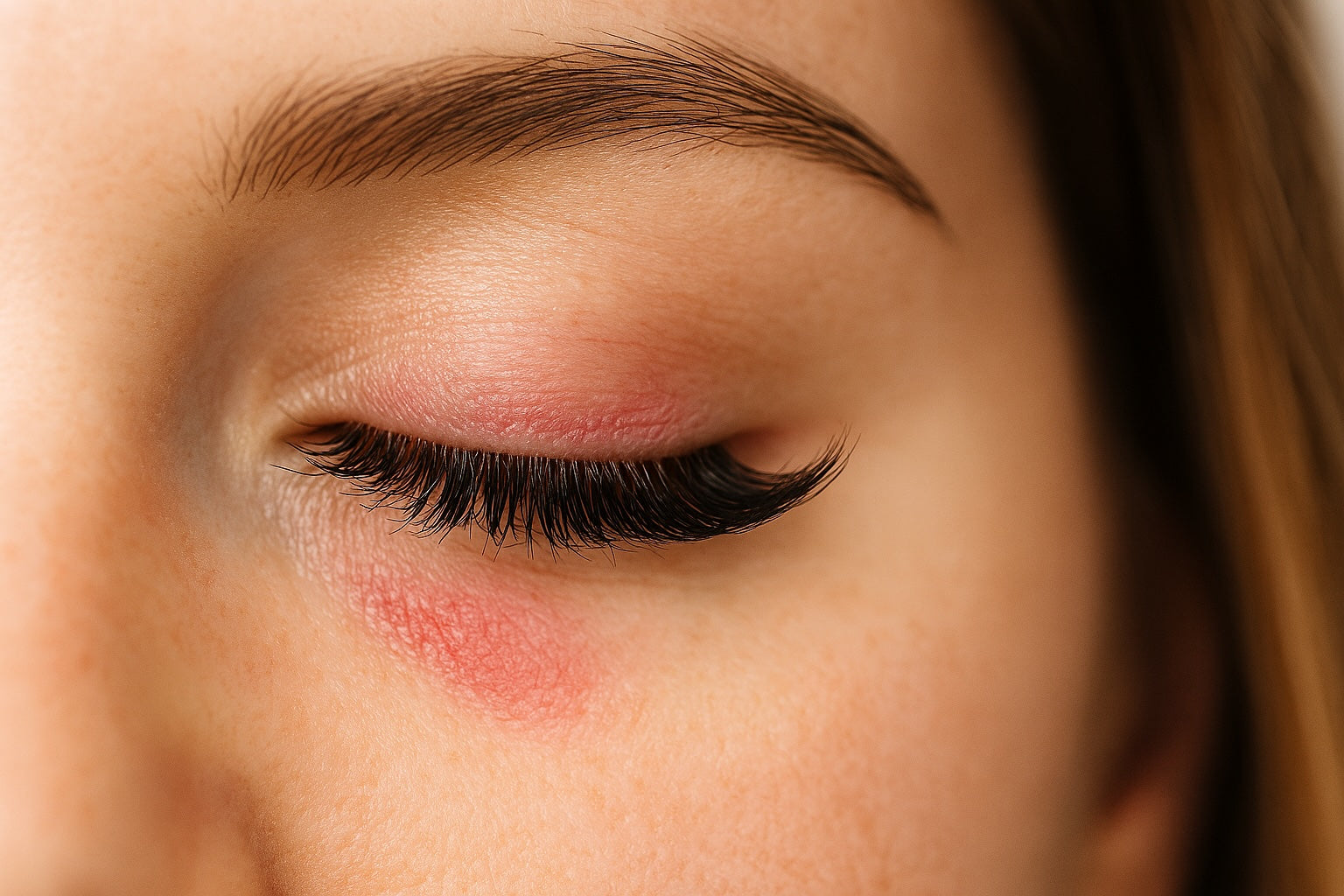
Burning, stinging, or gritty sensations
-
Redness and irritation
-
Fluctuating, blurry or cloudy vision
-
Excessive tearing (a compensating reflex response to chronic dryness)
-
Eye fatigue that worsens with screen use
Dry eye is a multifactorial eye condition, meaning there are many contributing causative and exacerbating factors. These include environment, lifestyle, medications, systemic health conditions, and hormones.
The Role of Hormones in Eye Health
Hormones play an essential role in maintaining the health of the ocular surface and tear film, which is why they should be considered in dry eye diagnosis and treatment. In particular:
-
Androgens help to regulate oil (lipid) production from the meibomian glands (1, 2). Lipids are responsible for slowing tear evaporation and increasing tear film stability. They are also thought to limit inflammatory markers (MMP-2), reducing ocular surface inflammation (3).
-
Estrogen influences inflammation on the eye's surface. Elevated estrogen levels increase the expression of inflammatory markers (MMP-2 and MMP-9) which may contribute to dry eye symptoms (3).
- Progesterone can help to balance the effects of estrogen on the ocular surface. However, its effect depends on where the hormone came from- if it is naturally produced by the body or taken in synthetic form (hormone replacement therapy). The balancing effect from progesterones is less pronounced compared to the protective effect that comes from androgens. Progesterone may also have a minimal effect on the production of tears from the lacrimal gland (4).
Fluctuations or imbalances in these hormones can disrupt the tear film and increase the risk of dry eye symptoms. This is why perimenopause is often one of the most challenging hormonal windows for dry eye.
Why Dry Eye Is More Common in People Assigned Female at Birth
Studies show that dry eye disease is diagnosed more frequently in people assigned female at birth, especially after midlife (5). This is largely linked to hormonal changes rather than gender identity.
Key contributing factors include:
Hormonal Fluctuations
Changes during life stages such as:
-
Puberty
-
Pregnancy
-
Perimenopause
-
Menopause
All stages have hormonal fluctuations that can affect tear quality, tear quantity and ocular surface inflammation, increasing risk of dry eye symptoms. Reduced androgen activity may impair meibomian gland function, leading to increased tear evaporation and meibomian gland dysfunction.
Autoimmune Conditions
Certain autoimmune diseases associated with dry eye, such as Sjögren’s syndrome, occur more frequently in people assigned female at birth.
Dry Eye in People Assigned Male at Birth
Dry eye disease also affects people assigned male at birth, though it may present differently.
Common contributing factors include:
-
Age-related hormonal changes, including gradual androgen decline
-
Environmental exposure, such as dry air or prolonged screen use
-
Systemic conditions, including diabetes and cardiovascular disease
-
Medications, such as antihistamines or blood pressure drugs
Because symptoms may be milder or less frequently reported, dry eye in this population is sometimes underdiagnosed.
Hormone Therapy and Dry Eye
Individuals undergoing hormone therapy may notice changes in eye comfort. Shifts in estrogen, progesterone or androgen levels can influence:
-
Tear stability
-
Meibomian gland function
-
Inflammation of the ocular surface associated with dry eye disease
Anyone experiencing new or worsening dry eye symptoms during hormone therapy should discuss this with an eye care professional for individualized dry eye management.
Personalized Dry Eye Treatment Matters
Dry eye care is not "one-size-fits-all." A comprehensive eye exam can identify the underlying contributors, whether they are hormonal, environmental, or lifestyle-related.
Understanding how hormonal influences affect dry eye allows for more personalized and effective treatment strategies.
When to See an Eye Care Professional
If dry eye symptoms persist, worsen, or interfere with daily activities, it’s important to seek professional care. Early diagnosis can help prevent long-term damage to the ocular surface and improve overall eye comfort.
Conclusion
Dry eye disease affects people of all sexes and gender identities, but biological hormones play a significant role in how dry eye develops and progresses. By recognizing these influences and focusing on individualized care, dry eye can be managed effectively—improving comfort, vision, and quality of life.
References:
- Li, L., Kang, Q., Wang, S., & Zheng, X. (2015). Effects of androgen on ultrastructure of corneal epithelium and function of the tear film in BALB/c mice. Cornea, 34(3), 334-341.
- Sullivan, D. A., Sullivan, B. D., Ullman, M. D., Rocha, E. M., Krenzer, K. L., Cermak, J. M., ... & Wickham, L. A. (2000). Androgen influence on the meibomian gland. Investigative ophthalmology & visual science, 41(12), 3732-3742.
- Song, X., Zhao, P., Wang, G., & Zhao, X. (2014). The effects of estrogen and androgen on tear secretion and matrix metalloproteinase-2 expression in lacrimal glands of ovariectomized rats. Investigative Ophthalmology & Visual Science, 55(2), 745-751.
- Suzuki, T., Schaumberg, D. A., Sullivan, B. D., Liu, M., Richards, S. M., Sullivan, R. M., ... & Sullivan, D. A. (2002). Do estrogen and progesterone play a role in the dry eye of Sjögren's syndrome?. Annals of the New York Academy of Sciences, 966(1), 223-225.
- Versura, P., Giannaccare, G., & Campos, E. C. (2015). Sex-steroid imbalance in females and dry eye. Current Eye Research, 40(2), 162-175.
Contributors:

Sarah Farrag, OD
Dr. Sarah Farrag is originally from Halifax, Nova Scotia, and is happy to be practicing optometry in her hometown. She graduated with honors from the University of Waterloo Doctor of Optometry program in June 2015. In addition to routine optometric care, Dr. Farrag also facilitates an advanced dry eye clinic offering specialty consultation and treatment for severe dry eye.