

Education
Your Guide to Healthy, Happy Eyes
Common Myths About Dry Eye — Debunked
Dry eye disease is often misunderstood, leading to delayed diagnosis and ineffective treatment. From excessive tearing to screen use, many common beliefs about dry eye are myths. Learn the facts behind dry eye symptoms, causes, and treatments to support better eye health and long-term comfort.
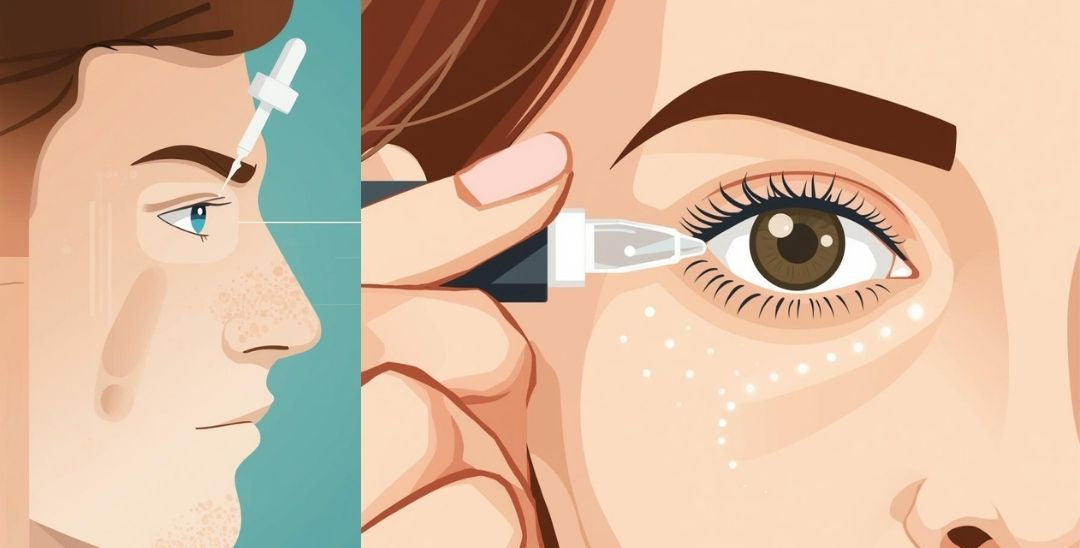
Dry Eye in Men vs. Women — Why Hormones Matter for Eye Health
Dry eye disease affects millions, and hormones play a key role in how symptoms develop and progress. Learn how hormonal changes in men and women influence tear production, inflammation, and eye comfort—and why understanding hormone-related dry eye is essential for effective, personalized treatment.
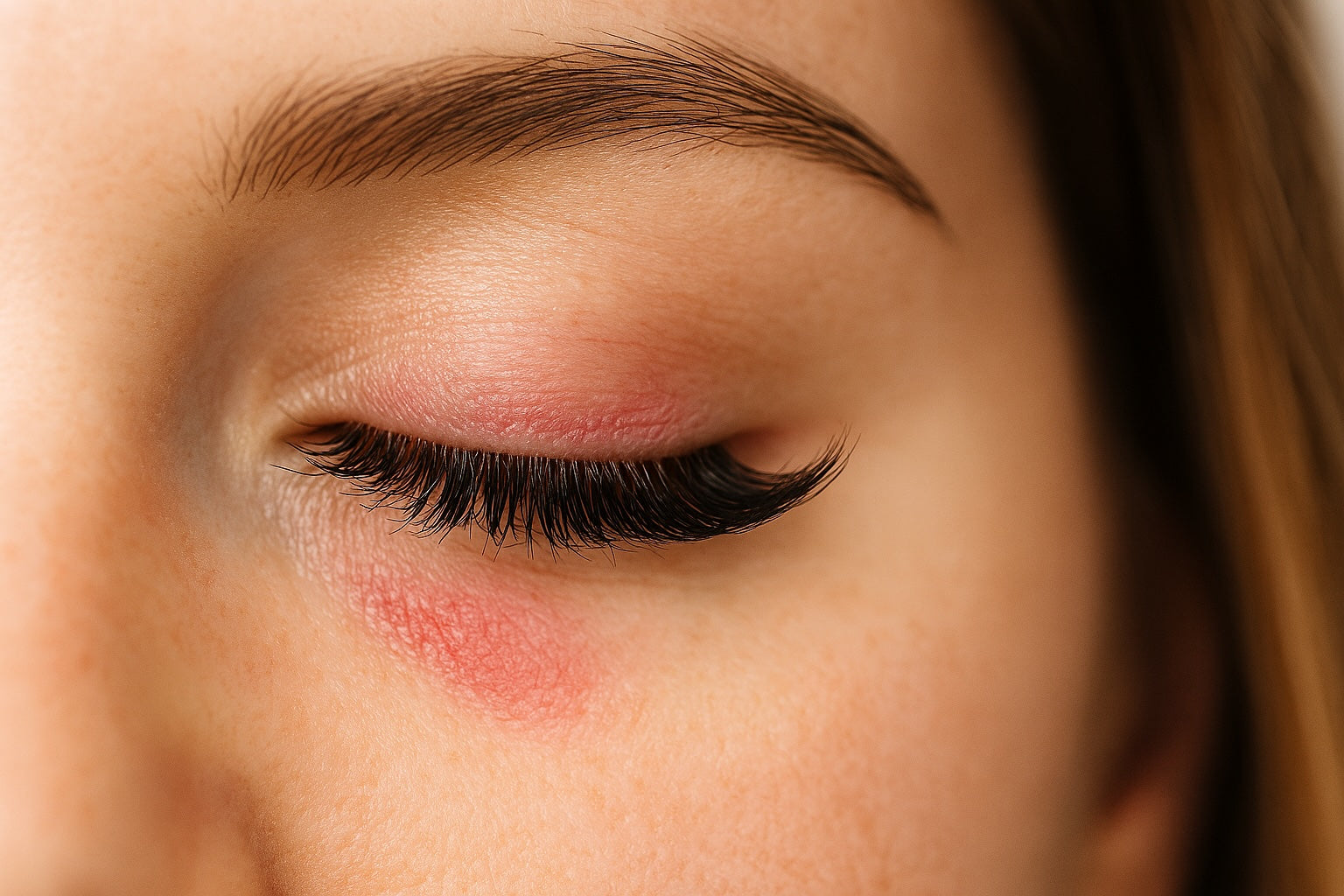
Eyelash Extensions and Dry Eye: What You Should Know

Travel Tips for Dry Eye Sufferers: How to Protect Your Eyes on the Go
Traveling with dry eyes can be challenging due to low humidity, increased screen use, and disrupted routines. Airplane cabins and changing climates accelerate tear evaporation which worsens dry eye symptoms. With proper planning, hydration, lubrication, and protective habits, dry eye sufferers can reduce symptoms and travel more comfortably.

Screen Time and Dry Eyes — Myth or Reality?
Screen time is a real and growing contributor to dry eye symptoms. Reduced blinking, incomplete blinks, and increased tear evaporation destabilize the tear film, causing irritation, blurred vision, and discomfort. Understanding how screens affect your eyes is essential to effectively prevent and manage dry eye symptoms.

Are Omega-3 Supplements Really Effective for Dry Eye? What the Science Actually Says
Omega-3 supplements may help reduce dry eye symptoms by supporting tear stability and reducing inflammation, especially in meibomian gland dysfunction (MGD). Global guidelines recommend them as part of a broader treatment plan. Choosing the right form and dosage is essential for best results.